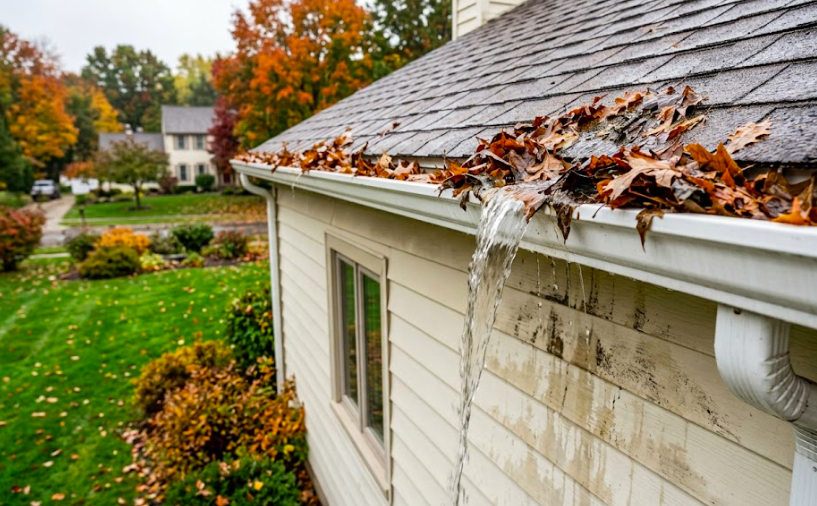
Most homeowners rarely think about their gutters until something goes wrong. And when it does, the consequences can be devastating. Clogged or damaged gutters are one of the leading causes of residential water damage, silently directing thousands of gallons of rainwater toward your foundation, walls, and basement each year.
The good news? Preventing water damage from gutters is entirely possible with a consistent cleaning schedule. In this guide, we’ll walk you through exactly how often you should clean your gutters, what to watch for, and what happens when you don’t act in time.
Why Gutter Cleaning Is Non-Negotiable
Your gutters serve one critical purpose: channeling rainwater away from your home’s foundation and structure. When leaves, twigs, dirt, and debris accumulate, that purpose is defeated. Here’s what can happen when gutters are neglected:
- Foundation damage – Overflowing water pools around your home’s base, seeping into cracks and weakening the foundation over time.
- Roof damage – Standing water in clogged gutters can back up under shingles, causing rot and leaks.
- Basement flooding – Poor drainage leads water directly into basements and crawl spaces.
- Fascia and soffit rot – Saturated wood boards behind and beneath your gutters begin to decay.
- Mold and mildew growth – Prolonged moisture creates the perfect breeding ground for toxic mold.
- Landscape erosion – Uncontrolled water flow destroys landscaping, topsoil, and garden beds.
If any of these water damage scenarios have already occurred in your home, professional restoration is critical. For residents in South Texas, McAllen TX Water Damage provides expert water damage restoration services to help you recover quickly and prevent further structural harm.
So, How Often Should You Clean Your Gutters?
The short answer: at least twice a year. But the full answer depends on several factors specific to your property.
The General Rule: Twice a Year
Most roofing and gutter professionals recommend cleaning your gutters a minimum of two times per year – typically in late spring and late fall. This schedule addresses the two biggest debris-dropping seasons:
- Late spring (May–June): After trees have finished dropping seeds, pollen, and spring blossoms.
- Late fall (November–December): After the majority of leaves have fallen and before winter sets in.
Homes That Need More Frequent Cleaning
Certain homes require cleaning 3–4 times per year or even quarterly:
- Homes surrounded by mature trees – Especially pine, oak, and sweetgum trees that shed needles, acorns, and spiked balls year-round.
- Homes in heavy rainfall regions – More rain means more debris washing into and accumulating in gutters.
- Homes with flat or low-pitched roofs – These allow debris to collect faster than steep-pitched roofs.
- Older homes with narrow or undersized gutters – They fill up faster and are more susceptible to overflow.
Climate-Based Scheduling
Your local climate plays a major role in how often you clean gutters:
| Climate Type | Recommended Frequency |
|---|---|
| Mild/Suburban | 2x per year |
| Heavy tree coverage | 3–4x per year |
| High rainfall areas | 3x per year |
| Arid/low-tree areas | 1–2x per year |
| Regions with heavy snow/ice | Before and after winter |
The Ideal Seasonal Gutter Cleaning Schedule
Spring Cleaning (April–May)
Winter can be brutal on gutters. Ice, snow, and wind carry debris that packs tightly. A spring cleaning removes:
- Decomposed leaves and organic matter
- Granules washed off asphalt shingles
- Nests from birds or rodents that moved in over winter
- Sediment buildup at downspout openings
Pro tip: After your spring cleaning, run water through the gutters with a garden hose to check for leaks, sagging sections, or improper drainage angles (pitch issues).
Summer Inspection (July)
If you live near trees that shed seeds, cotton, or leaves in summer (like cottonwood or silver maples), a mid-summer check is worthwhile. Even without full cleaning, clearing downspout screens takes only minutes and prevents overflow during summer thunderstorms.
Fall Cleaning (November–December)
This is the most critical cleaning of the year. Wait until the majority of leaves have fallen typically late November before scheduling your fall gutter clean.
Why wait? Cleaning gutters while trees are still actively shedding means you may need to do it twice. Clean too early, and you’ll still have a full gutter when the last leaves drop.
Fall cleaning should include:
- Removing all leaf debris and compacted material
- Flushing downspouts with high-pressure water
- Checking gutter fasteners and hangers
- Inspecting for rust, holes, or separation at seams
Winter Prep (December, Before First Freeze)
In colder climates, gutters filled with debris create ice dams heavy ice formations that can rip gutters from the fascia and push water under your roofline. Before the first freeze, ensure your gutters are completely clear.
According to the Insurance Information Institute, ice dam-related water damage is one of the most common and costly winter home insurance claims. Prevention starts with clean gutters and proper attic insulation.
Signs Your Gutters Need Immediate Cleaning
Don’t wait for your scheduled cleaning if you notice any of these warning signs:
- Water spilling over the sides during rain a telltale sign of blockage
- Sagging or pulling away from the roofline excess weight from wet debris
- Plants or weeds growing from gutters significant organic buildup
- Water stains on your siding or fascia boards overflow is occurring
- Flooded flowerbeds directly below gutters uncontrolled water discharge
- Basement dampness or seepage after rain a strong indicator of drainage failure
- Bird or pest activity near your roofline debris may be harboring nests
DIY vs. Professional Gutter Cleaning: What to Know
DIY Cleaning
Cleaning your own gutters is possible if you’re comfortable on a ladder and have the right tools:
- Gutter scoop or trowel – removes wet debris effectively
- Garden hose with spray nozzle – flushes downspouts
- Bucket or drop cloth – catches debris
- Leaf blower – speeds up the process
Safety note: Falls from ladders are one of the most common home improvement injuries. Always use a stable, properly positioned ladder, wear non-slip footwear, and never work alone.
Professional Gutter Cleaning
Hiring a professional is the smarter choice when:
- Your home is more than one story
- You have steep or complex rooflines
- You notice structural damage during inspection
- You want a thorough inspection alongside cleaning
Professionals also have the tools to identify early signs of gutter failure like improper pitch, loose fasteners, or joint separation that homeowners often miss.
According to Bob Vila’s home maintenance guidelines, professional gutter cleaning typically costs between $100–$250 for an average home and is worth every penny when it prevents thousands of dollars in water damage.
Gutter Guards: Do They Eliminate the Need for Cleaning?
Gutter guards screens, covers, or filters placed over gutters reduce debris accumulation but do not eliminate cleaning entirely. Here’s why:
- Fine debris like pine needles, shingle grit, and seeds can still penetrate most guard systems
- Surface tension guards still require annual flushing
- Guards can become dislodged or damaged by wind and ice
The realistic expectation: Gutter guards can reduce cleaning frequency from 2–4x/year to 1x/year, and they’re particularly helpful for homes with heavy tree coverage. But treat them as a supplement to maintenance, not a replacement.
You can learn more about gutter guard options and whether they’re right for your home at This Old House’s gutter protection guide.
What Happens When You Ignore Gutter Maintenance Too Long?
Skipping gutter cleaning for a full year or several can escalate from a minor maintenance issue to a serious structural problem. Here’s the progression:
Year 1 of neglect: Debris builds up, gutters begin overflowing during heavy rain. Fascia wood starts absorbing moisture.
Year 2: Fascia rot sets in. Gutters begin sagging and pulling away from the roof deck. Water begins pooling near the foundation.
Year 3+: Foundation cracks may appear. Basement leaks begin. Interior wall moisture leads to mold growth behind drywall. Roof deck may start showing signs of water intrusion.
At this stage, the problem is no longer about gutters it’s full-scale water damage restoration. If you’ve already noticed any of these advanced signs in your home, don’t wait. The longer water damage goes unaddressed, the more expensive and extensive the repairs become.
The True Cost of Neglected Gutters
Let’s put this in perspective with real numbers:
| Problem Caused by Clogged Gutters | Average Repair Cost |
|---|---|
| Fascia/soffit replacement | $600–$2,000 |
| Foundation crack repair | $2,000–$7,000 |
| Basement waterproofing | $3,000–$10,000 |
| Mold remediation | $1,500–$5,000 |
| Roof repair from water intrusion | $500–$3,500 |
| Professional gutter cleaning (preventive) | $100–$250 |
The math is simple. Routine cleaning is one of the highest-return maintenance investments a homeowner can make.
Quick Checklist: Gutter Maintenance Best Practices
Clean gutters at least twice a year (spring and fall)
Inspect gutters after every major storm
Check downspouts for blockages monthly in heavy-leaf seasons
Ensure downspouts discharge water at least 6 feet from your foundation
Look for rust, holes, or separated joints during every cleaning
Check gutter pitch water should flow toward downspouts, not pool in the middle
Trim overhanging branches to reduce debris load
Consider gutter guards if tree coverage is heavy
Address any leaks or damage promptly before they worsen
When Gutter Problems Lead to Water Damage: Get Help Fast
Even the most diligent homeowner can face unexpected water damage. A single severe storm, a burst pipe near the roofline, or years of gradual moisture intrusion can result in damage that requires professional intervention.
If your home has experienced water intrusion due to gutter failure or roof overflow, act immediately. Water damage worsens exponentially with time within 24–48 hours, mold can begin growing in saturated materials.
For McAllen, TX homeowners, McAllen TX Water Damage offers rapid-response water damage restoration, including moisture assessment, structural drying, mold prevention, and full property recovery services. Their team understands the unique challenges of South Texas weather from heavy Gulf Coast rains to flash flooding and is equipped to restore your home quickly and effectively.
Final Thoughts
Gutter cleaning isn’t glamorous, but it’s one of the most cost-effective forms of home protection available. A twice-yearly cleaning schedule, combined with seasonal inspections and prompt repairs, can spare you from thousands of dollars in water damage, foundation issues, and mold remediation.
Start with your calendar right now schedule a spring cleaning and a fall cleaning. If your home is surrounded by trees, add a third visit in midsummer. And if you’re unsure of the current condition of your gutters, a professional inspection is always a smart first step.
Need Gutter Repair or Replacement in Your Area?
If your gutters need more than cleaning if they’re sagging, cracked, improperly pitched, or pulling away from your roofline professional repair is the next step.
Visit ClearWater Gutter Repair to learn about our expert gutter repair, replacement, and installation services. From seamless gutter systems to downspout extensions, we help homeowners protect their homes from the ground up starting at the roofline.
Leave a Reply